White Oak
Quercus alba
Hardness
Hard and durable; stands up to wear and traffic.
Overview
Red oak's tougher, water-resistant cousin. Closed cellular structure makes it the classic choice for anything that gets wet.
Commonly built
- Whiskey & wine barrels
- Adirondack chairs
- Mission-style furniture
- Boat decks
- Farmhouse tables
Appearance
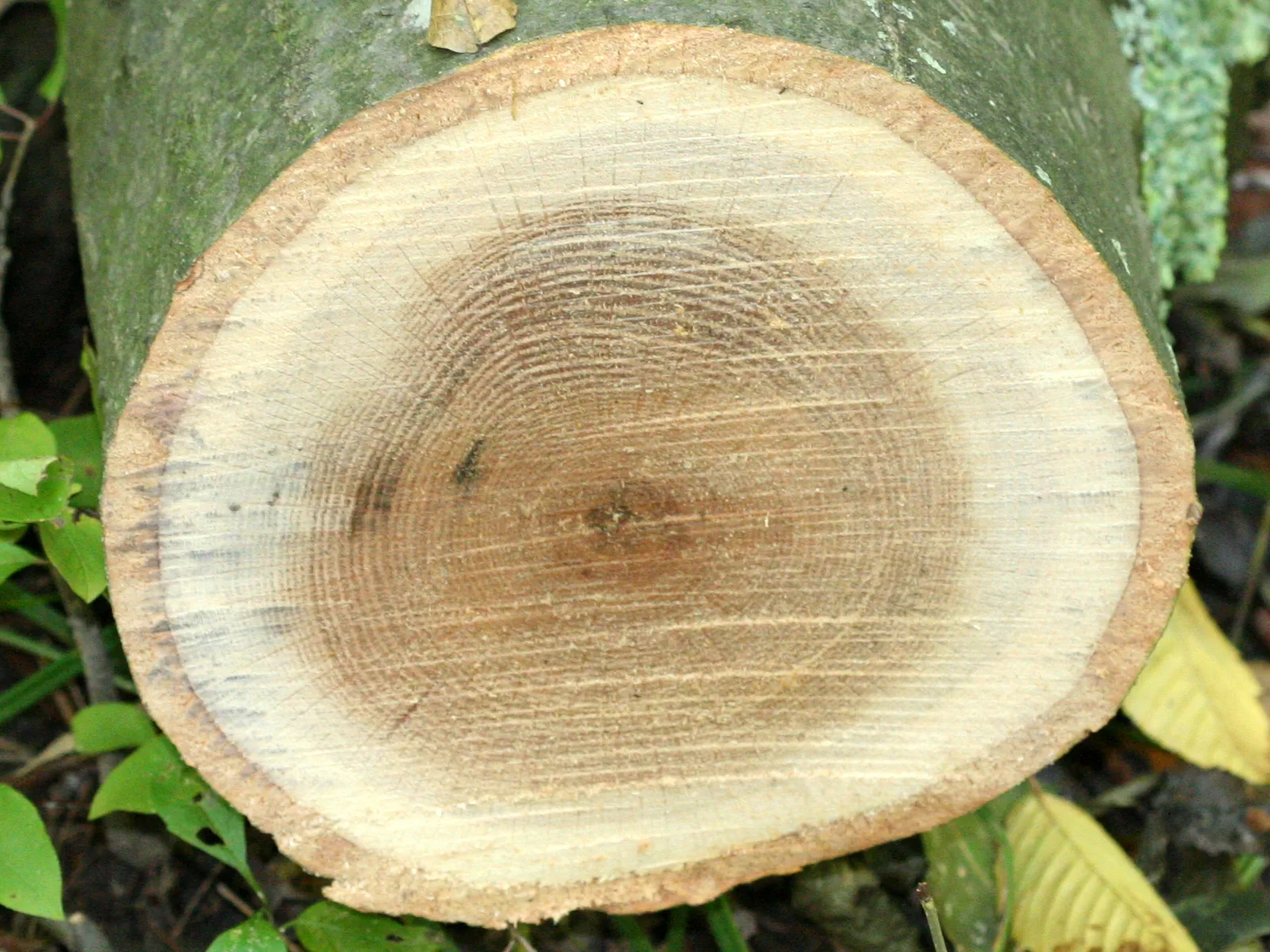
Light to medium brown with an olive cast; tighter grain than red oak.
Recommended uses
Uses to avoid
Similar species
Comparable on hardness, type, and workability, useful when this species isn't available.
Working notes
Closed pores (tyloses) make it watertight and rot-resistant. Quartersawn shows dramatic ray fleck. Reacts with iron, use stainless or coated fasteners to avoid black stains.
Wood movement
A 24-inch-wide flatsawn white oak panel moves roughly 0.55 inch across a typical seasonal humidity swing (about 6% to 12% moisture content). Use the wood movement calculator to run your own board size and moisture range.
How much does White Oak move? → See flatsawn vs. quartersawn figures and a worked example.
Common questions
How hard is White Oak?
White Oak has a Janka hardness of 1350 lbf, a measure of how well it resists denting and wear.
Is White Oak suitable for outdoor use?
White Oak stands up reasonably well outdoors, especially with a protective finish and regular maintenance.
How easy is White Oak to work with?
White Oak has Good workability for cutting, shaping, and joinery.
How much does White Oak move seasonally?
A 24-inch-wide flatsawn white oak panel moves roughly 0.55 inch across a typical seasonal humidity swing (about 6% to 12% moisture content).
Finishing notes
Accepts stain and most finishes very well and its closed, tyloses-filled pores make it far more water-resistant than red oak. Open grain still benefits from grain filler for a smooth film finish. High tannin content reacts strongly with water and iron, which is exactly why it fumes beautifully with ammonia (traditional Arts-and-Crafts finish) and why you should avoid steel wool and use non-reactive fasteners. Excellent under oil, and a good candidate for exterior spar varnish on outdoor pieces.
Glue-up notes
Glues well with standard PVA. Dense and closed-pore, so do not starve the joint, use adequate clamping pressure and fresh glue. Wipe squeeze-out promptly; dried glue resists stain and shows through finish.
Community photos
Real photos from woodworkers who've used white oak, reviewed before they appear here.
Loading…
Wood data varies by source and sample. How we source and review our data.