Red Oak
Quercus rubra
Hardness
Medium-hard; a versatile range for most furniture.
Overview
The workhorse American hardwood, strong, affordable, everywhere. Coarse open grain takes stain readily but reads busy.
Commonly built
- Shaker-style cabinets
- Hardwood flooring
- Dining tables
- Bookcases
- Interior trim
Appearance
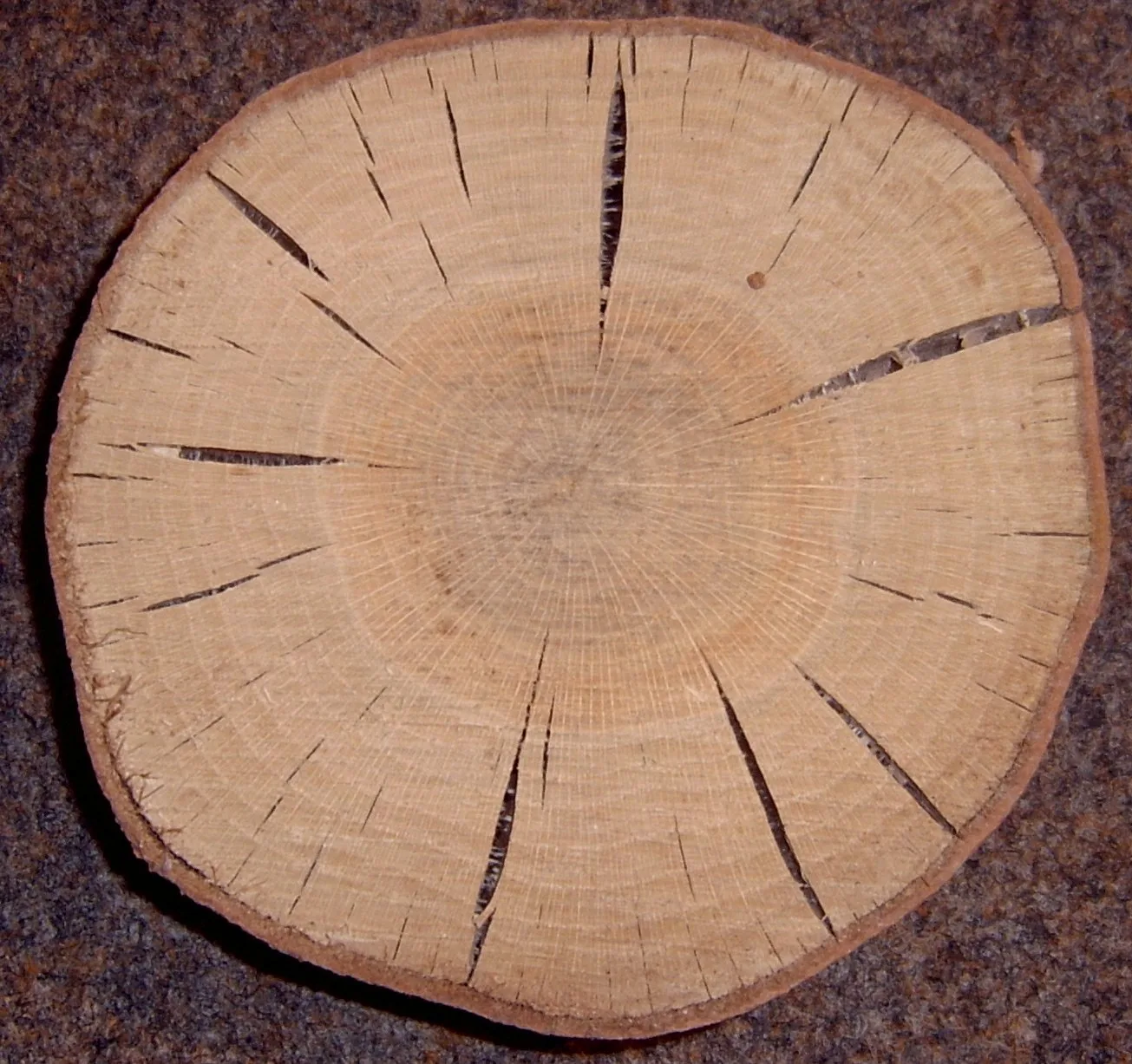
Light reddish-brown with a prominent, coarse grain and visible pores.
Recommended uses
Uses to avoid
Similar species
Comparable on hardness, type, and workability, useful when this species isn't available.
Working notes
Machines and glues well. Open pores need grain filler for a glass-smooth finish. Stains evenly. Hard on hand-tool edges over time.
Wood movement
A 24-inch-wide flatsawn red oak panel moves roughly 0.44 inch across a typical seasonal humidity swing (about 6% to 12% moisture content). Use the wood movement calculator to run your own board size and moisture range.
How much does Red Oak move? → See flatsawn vs. quartersawn figures and a worked example.
Common questions
How hard is Red Oak?
Red Oak has a Janka hardness of 1220 lbf, a measure of how well it resists denting and wear.
Is Red Oak suitable for outdoor use?
Red Oak is best used indoors; it is not naturally suited to sustained outdoor or wet conditions.
How easy is Red Oak to work with?
Red Oak has Good workability for cutting, shaping, and joinery.
How much does Red Oak move seasonally?
A 24-inch-wide flatsawn red oak panel moves roughly 0.44 inch across a typical seasonal humidity swing (about 6% to 12% moisture content).
Finishing notes
Takes stain readily and evenly, one of the most forgiving woods to color. The very open, porous grain shows through most finishes, so fill the grain with a paste wood filler first if you want a glass-smooth surface. Its high tannin content can react with water-based finishes and iron (steel wool, some fasteners) to cause dark spots, so favor oil-based finishes or seal first. Not suited to outdoor use even when finished; the open pores wick water.
Community photos
Real photos from woodworkers who've used red oak, reviewed before they appear here.
Loading…
Wood data varies by source and sample. How we source and review our data.